Title & ID rail
title → id → item_group_id mapped per channel rules.
- GTIN / MPN checks
- Variant grouping
E-commerce solutions · Feed pipeline
Liberty Weblab
Product data moves Source → Map → Validate → Sync → Channels. We build the rails so listings and ads reflect the catalog you actually sell - not yesterday's export.

Channel mapping nodes
Map identifiers, variants, and labels once, then route them down channel-specific rails.
Validation meters
Pre-sync gates score completeness and surface the error types that kill coverage.
Multi-channel split

Rail A · Shopping destinations
Attributes shaped for Shopping destinations - identifiers, shipping, and custom labels that support bidding and reporting later.
Rail B · Channel & marketplace feeds
When other channels need different schemas, we fork the map - not force one CSV into every endpoint and hope it sticks.
Sync cadence
Rails only help if the sync clock matches price and stock reality.
Catalog truth ingested from store, ERP, or feed source on the agreed window.
Field nodes apply channel rules, labels, and include/exclude logic.
Meters run - bad rows quarantine before publish, not after shoppers notice.
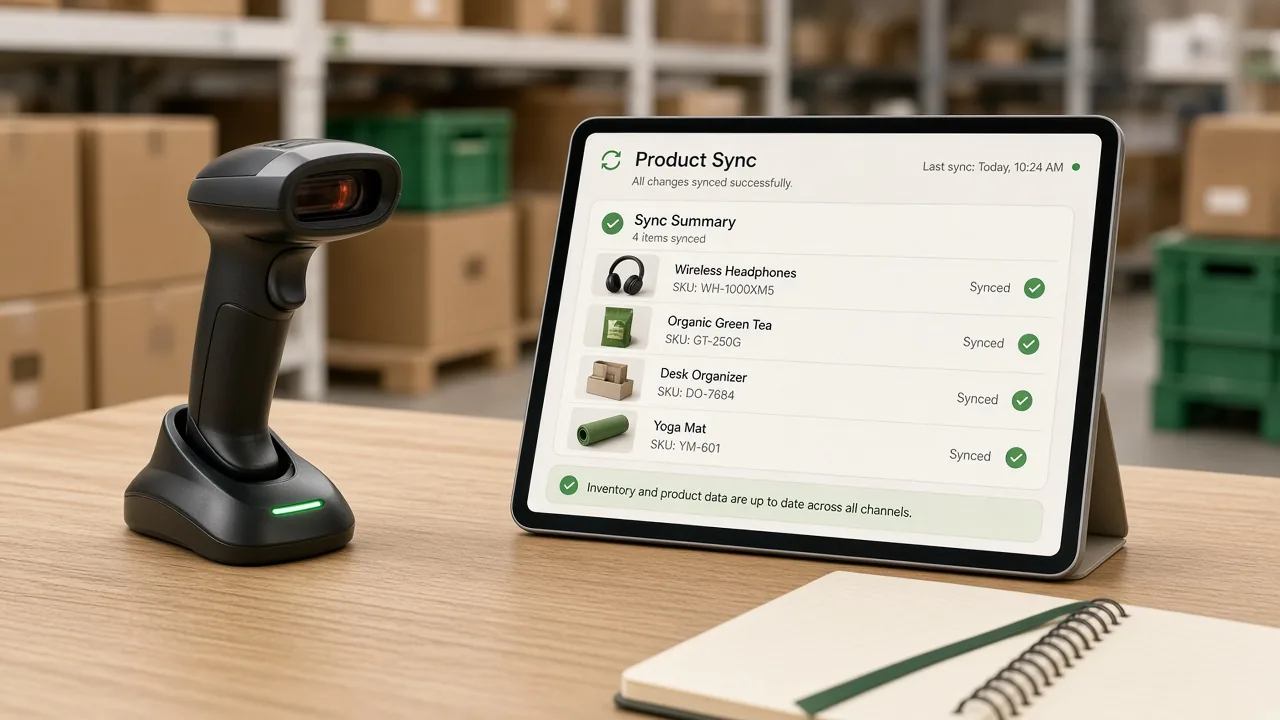
Approved payloads sync to each destination rail with a change trail.
Coverage, error rates, and stale SKUs reviewed so cadence can tighten when needed.
Before / after
Broken sync
Clean rails
Feed ops in view
See the rails your catalog rides - map, validate, and push with channel-ready truth.

Why Liberty Weblab
Source → map → validate → sync → channels, with clear handoffs.
Feeds shaped for how each channel consumes data - not a single forced format.
Rules and schedules your team can keep running after launch.
FAQ
Shopping feed management keeps product data flowing from your catalog to advertising and shopping channels - with clean mapping, validation, and sync schedules so listings stay accurate.
Merchant Center management focuses on Google account health and approvals. Shopping feed management covers the broader pipeline - source data, mapping, validation, and publishing to one or more destinations.
Google Shopping feeds are common, and we also support channel-specific product feeds when your stack and catalog allow clean mapping to each destination.
Cadence depends on inventory volatility. Fast-moving catalogs often need daily or more frequent syncs; slower catalogs can run on a tighter scheduled window as long as price and stock stay truthful.
Tell us your destinations - we'll map validation gates and a cadence that fits.

Liberty Weblab helps businesses grow through strategy-led digital marketing, clear reporting, and partnerships built on trust.